
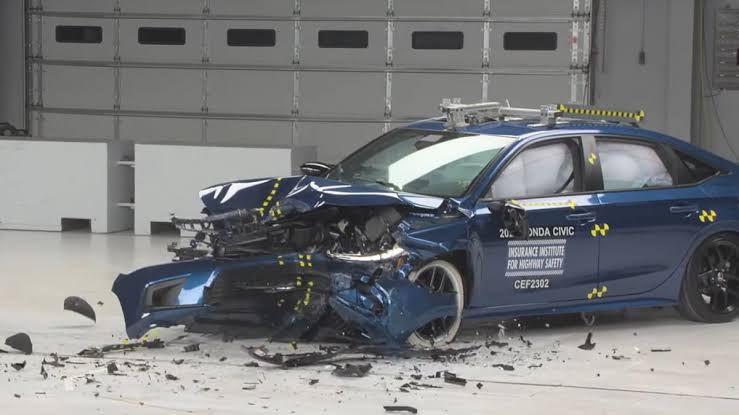
Despite improvements in vehicle safety technology, roadway infrastructure, and public awareness, fatal motor vehicle accidents remain a serious public safety concern across the United States. According to the Insurance Institute for Highway Safety (IIHS), 39,254 people lost their lives in motor vehicle crashes in 2024, representing a decrease from the previous year but still highlighting the devastating impact of traffic collisions. The latest IIHS Fatality Facts report provides valuable insights into who is most at risk, the behaviors contributing to deadly crashes, and when these accidents are most likely to occur. Understanding these statistics can help drivers recognize dangerous situations, make safer decisions, and potentially prevent future tragedies.
Quick Highlights
- 39,254 people died in U.S. motor vehicle crashes in 2024, a decrease of approximately 4.3% from the 41,025 fatalities recorded in 2023.
- Passenger vehicle occupants accounted for 58% of traffic fatalities, followed by pedestrians (18%) and motorcyclists (16%).
- Speeding contributed to 29% of all motor vehicle crash deaths, accounting for 11,288 fatalities in 2024.
- Distracted driving remained a significant concern, with 3,026 drivers involved in fatal crashes identified as distracted.
- Seat belt use was substantially lower among fatally injured occupants. Only 46% of fatally injured passenger vehicle drivers and passengers ages 13 and older were reported as wearing seat belts.
- Men experienced significantly higher traffic fatality rates than women, with 16.9 deaths per 100,000 males compared to 6.3 per 100,000 females.
- Weekends accounted for nearly half of traffic fatalities, with 48% of deaths occurring on Fridays, Saturdays, or Sundays.
- Long-term roadway safety has improved, with the traffic fatality rate per 100 million vehicle miles traveled declining 64% between 1975 and 2024.
What Is the Insurance Institute for Highway Safety (IIHS)?
The Insurance Institute for Highway Safety (IIHS) is an independent, nonprofit scientific and educational organization dedicated to reducing deaths, injuries, and property damage resulting from motor vehicle crashes.
The organization conducts research into vehicle safety, crashworthiness, roadway risks, and driver behavior.
Each year, IIHS publishes its Fatality Facts reports using information from the National Highway Traffic Safety Administration’s (NHTSA) Fatality Analysis Reporting System (FARS).
FARS collects information about fatal motor vehicle crashes occurring on public roads throughout the United States, including crashes resulting in a death within 30 days of the incident.
IIHS analyzes these records to identify important traffic safety trends involving:
- Motor vehicle crash fatalities over time.
- Vehicle types involved in fatal accidents.
- Driver age and sex.
- Seat belt use and occupant protection.
- Speeding and distracted driving.
- Roadway characteristics.
- Seasonal and time-of-day crash patterns.
- Pedestrian, bicyclist, and motorcyclist fatalities.
The organization’s 2024 Fatality Facts: Yearly Snapshot, published in June 2026, offers a comprehensive overview of the nation’s traffic fatality trends.
Important distinction: The IIHS figures include deaths involving passenger vehicles, motorcycles, pedestrians, bicyclists, large trucks, and other road users. The total of 39,254 represents people killed in motor vehicle crashes, not the number of fatal crashes or deaths involving passenger cars alone.
How Many People Died in Motor Vehicle Accidents in 2024?
According to IIHS, 39,254 people died in U.S. motor vehicle crashes in 2024.
This was a meaningful improvement compared with the previous three years, when fatalities exceeded 40,000 annually.
U.S. Motor Vehicle Fatalities: 2019–2024
| Year | Traffic fatalities |
| 2019 | 36,355 |
| 2020 | 39,007 |
| 2021 | 43,230 |
| 2022 | 42,721 |
| 2023 | 41,025 |
| 2024 | 39,254 |
Source: IIHS Fatality Facts, 2024 Yearly Snapshot.
The data reveals several notable trends.
Traffic fatalities increased significantly during 2020 and 2021, reaching 43,230 deaths in 2021. Deaths subsequently declined for three consecutive years.
Between 2023 and 2024, the total number of deaths fell by 1,771, representing a 4.3% decrease.
However, the 2024 death toll remained approximately 8% higher than in 2019, before the sharp increase in fatalities during the early 2020s.
This illustrates an important point: While traffic safety has improved from its recent peak, the United States continues to experience a substantial number of preventable roadway deaths.
Understanding the 2024 Traffic Fatality Rate
The total number of fatalities provides only part of the picture.
Researchers also examine fatality rates based on population and miles traveled to better understand roadway risk.
In 2024, IIHS reported:
- 11.5 traffic deaths per 100,000 people.
- 1.19 traffic deaths per 100 million vehicle miles traveled.
These rates have improved considerably over the past several decades.
In 1975, the United States recorded 20.6 traffic deaths per 100,000 people and 3.35 deaths per 100 million miles traveled.
By 2024, those rates had decreased by 44% and 64%, respectively.
Although this progress reflects substantial improvements in roadway safety over time, tens of thousands of lives are still lost each year.
Which Road Users Accounted for the Most Fatalities in 2024?
Passenger vehicle occupants represented the largest category of motor vehicle crash fatalities in 2024.
However, pedestrians, motorcyclists, bicyclists, and occupants of large trucks also accounted for thousands of deaths.
2024 Traffic Fatalities by Road User Type
| Road user category | Fatalities | Share of total |
| Passenger vehicle occupants | 22,713 | 58% |
| Pedestrians | 7,080 | 18% |
| Motorcyclists | 6,228 | 16% |
| Bicyclists | 1,075 | 3% |
| Large truck occupants | 920 | 2% |
| Other road users | 1,238 | 3% |
| Total | 39,254 | 100% |
Source: IIHS Fatality Facts, 2024. Percentages are rounded.
Passenger Vehicle Occupants
Drivers and passengers in cars, SUVs, pickup trucks, and other passenger vehicles accounted for 22,713 fatalities.
Although this category represented the majority of deaths, it also experienced a decline from the 24,017 fatalities reported in 2023.
Vehicle safety features such as airbags, seat belts, electronic stability control, automatic emergency braking, and improved structural crash protection can help reduce the risk of serious injury.
However, these technologies cannot eliminate the dangers associated with high-speed collisions, impaired driving, and other dangerous behaviors.
Pedestrians
Pedestrian fatalities reached 7,080 in 2024, accounting for approximately 18% of traffic deaths.
Although pedestrian deaths declined from 7,367 in 2023, the numbers remain concerning.
Unlike vehicle occupants, pedestrians have little physical protection when struck by a moving vehicle.
Factors such as vehicle speed, driver visibility, roadway design, and the presence of safe crossings can significantly influence the likelihood and severity of pedestrian collisions.
Motorcyclists
Motorcyclists accounted for 6,228 fatalities in 2024, approximately 16% of all roadway deaths.
Motorcycles lack the enclosed passenger compartments and many of the protective features available in traditional passenger vehicles.
A collision that might cause relatively minor injuries to an occupant inside a passenger car can result in catastrophic injuries for a motorcyclist.
Bicyclists
IIHS reported 1,075 bicyclist fatalities in 2024.
While bicyclists represented a smaller share of overall traffic fatalities, they remain particularly vulnerable to collisions involving cars and larger vehicles.
Improved cycling infrastructure, safer intersections, reduced vehicle speeds, and greater awareness among drivers can help address these risks.
Speeding Was a Factor in Nearly 3 Out of 10 Traffic Fatalities
Speeding continued to play a major role in fatal traffic accidents during 2024.
According to IIHS, 11,288 motor vehicle crash deaths involved speeding as a contributing factor, representing 29% of all fatalities.
Speeding-related crashes include incidents involving drivers who exceeded posted limits, traveled too fast for road or weather conditions, or engaged in racing.
Higher speeds can increase both the likelihood of a collision and the severity of injuries when one occurs.
Speeding creates several risks:
- Reduced reaction time: Drivers have less time to identify hazards and respond appropriately.
- Longer stopping distances: Vehicles require more distance to stop as speed increases.
- Greater crash forces: Higher impact speeds increase the energy that vehicles and occupants must absorb.
- Reduced vehicle control: High speeds can make it more difficult to navigate curves, avoid obstacles, or maintain control during emergency maneuvers.
- Greater danger to vulnerable road users: Pedestrians, bicyclists, and motorcyclists are particularly vulnerable to high-speed impacts.
Speeding Isn’t Just a Highway Problem
One particularly important IIHS finding involves the relationship between speeding and roadway type.
In 2024, speeding contributed to:
- 33% of traffic deaths on minor roads.
- 29% of traffic deaths on interstates and freeways.
- 27% of traffic deaths on other major roads.
Additionally, approximately 55% of speeding-related fatalities occurred on roads with posted speed limits below 55 mph.
These figures demonstrate that speeding-related fatalities are not limited to high-speed interstates.
Residential streets, rural roads, and other lower-speed roadways can also become deadly when motorists drive too fast for conditions.
Distracted Driving Remains a Serious Traffic Safety Concern
Distracted driving continues to endanger motorists and other road users throughout the country.
According to IIHS, 3,026 drivers involved in fatal crashes during 2024 were identified as distracted.
Although smartphones and texting receive significant public attention, distraction can involve a much broader range of activities.
The IIHS findings included:
| Reported distraction | Distracted drivers |
| Generally distracted or lost in thought | 1,931 |
| Cellphone use | 406 |
| Outside person, object, or event | 224 |
| Vehicle-integrated devices or controls | 131 |
| Other vehicle occupants | 107 |
| Portable devices brought into the vehicle | 85 |
Source: IIHS Fatality Facts, 2024. Individual categories are not mutually exclusive.
One surprising finding is that general distraction or daydreaming accounted for 64% of the drivers classified as distracted.
Cellphone use accounted for approximately 13%.
This does not mean daydreaming is necessarily more dangerous than using a cellphone. Rather, it reflects the distraction categories identified in reported fatal crashes.
IIHS also cautions that distracted driving figures are likely underestimated because investigators cannot always determine whether a driver was distracted immediately before a collision.
How Drivers Can Reduce Distractions
Simple precautions can help drivers maintain their attention and avoid potentially dangerous situations.
- Put phones away or activate driving-focused notification settings.
- Program navigation systems before beginning a trip.
- Avoid eating, grooming, or reaching for objects while driving.
- Minimize interactions with vehicle displays and infotainment systems.
- Remain alert to pedestrians, cyclists, intersections, and surrounding traffic.
- Pull over safely when an activity requires significant attention.
Even a momentary lapse in concentration can have devastating consequences when a vehicle is moving at highway speeds.
Seat Belt Use and Fatal Car Accidents
Seat belts remain among the most effective safety features available to passenger vehicle occupants.
Despite widespread seat belt use, many people killed in traffic crashes were not properly restrained.
According to IIHS, the national daytime seat belt use rate among front-seat occupants reached 91.2% in 2024.
However, the numbers were dramatically different among occupants who died in crashes.
Among fatally injured passenger vehicle occupants ages 13 and older:
- Only 46% of drivers were reported as wearing seat belts.
- Only 46% of passengers were reported as wearing seat belts.
- 44% of drivers and 42% of passengers were unbelted.
- Seat belt status was unknown for the remaining occupants.
These figures highlight the substantial overrepresentation of unrestrained occupants among traffic fatalities.
Seat Belt Use in Different Types of Fatal Crashes
IIHS also examined restraint use based on the initial impact location of fatal crashes.
Among fatally injured passenger vehicle occupants ages 13 and older:
- Frontal impacts: 45% were wearing seat belts.
- Side impacts: 55% were wearing seat belts.
- Rear impacts: 55% were wearing seat belts.
- Other crashes, primarily rollovers: Only 26% were wearing seat belts.
These percentages describe restraint use among people who died, not the likelihood that a belted person would die in each type of crash.
The particularly low seat belt use in fatal rollover crashes reinforces the importance of proper occupant restraint.
Seat belts help prevent occupants from being thrown against vehicle interiors or ejected during a collision.
Drivers and passengers should buckle up on every trip, regardless of the distance traveled, vehicle type, or seating position.
Who Was Most Likely to Die in a Motor Vehicle Crash in 2024?
IIHS data shows significant differences in traffic fatality rates based on age and sex.
Men Accounted for a Disproportionate Share of Traffic Fatalities
Of the 39,254 people who died in motor vehicle crashes in 2024:
- 28,385 were male.
- 10,764 were female.
- The remaining fatalities involved other or unknown sex classifications.
Men accounted for approximately 72% of all traffic fatalities.
When adjusted for population, the male traffic fatality rate was 16.9 deaths per 100,000 people, compared with 6.3 deaths per 100,000 females.
This means the male fatality rate was approximately 2.7 times the female rate.
These numbers reflect differences in overall traffic deaths, not solely differences in driving skill or individual behavior. Factors such as travel exposure, vehicle type, and risk-taking behaviors can also influence fatality patterns.
Young Adults and Older Drivers Faced Elevated Risks
IIHS also identified notable differences among age groups.
For men, those ages 85 and older experienced the highest population-based traffic fatality rate, at 27.3 deaths per 100,000 people.
Men ages 20–24 also faced elevated risk, with a rate of 26.2 deaths per 100,000.
Among all males and females combined, the 20–24 age group experienced a fatality rate of 17.7 per 100,000 people.
The figures demonstrate that both young adults and older road users face important traffic safety challenges, although the underlying risks may differ.
Younger drivers may have less driving experience, while older adults may be more physically vulnerable to serious injuries from a collision.
When Were Fatal Car Accidents Most Likely to Occur in 2024?
The 2024 IIHS report also reveals patterns involving the time of day, day of the week, and month when fatal crashes occurred.
Nearly Half of Traffic Deaths Occurred on Weekends
According to IIHS, approximately 48% of traffic fatalities happened on Fridays, Saturdays, or Sundays.
The breakdown included:
- Saturday: 6,780 deaths (17%).
- Sunday: 6,116 deaths (16%).
- Friday: 6,025 deaths (15%).
Saturday recorded the highest number of traffic fatalities of any day of the week.
Weekend travel may involve a combination of recreational trips, late-night driving, increased travel activity, and potential exposure to impaired drivers.
However, fatality totals alone do not establish that a particular day is more dangerous per mile driven.
Late Afternoon and Evening Hours Accounted for Many Fatalities
Approximately 32% of traffic fatalities occurred between 3 p.m. and 9 p.m.
During this six-hour period:
- 5,956 people died between 3 p.m. and 6 p.m.
- 6,777 people died between 6 p.m. and 9 p.m.
The 6 p.m. to 9 p.m. period recorded the highest number of fatalities among the three-hour time blocks analyzed.
Changing light conditions, commuter traffic, driver fatigue, and recreational travel are among the considerations that make evening driving an important safety concern.
October Recorded the Most Traffic Fatalities
According to IIHS, October was the deadliest month for motor vehicle crashes in 2024, with 3,620 fatalities.
August followed closely with 3,611 deaths, while February recorded the fewest fatalities at 2,710.
These figures demonstrate how traffic fatalities fluctuate throughout the year.
Seasonal travel patterns, daylight hours, weather, and roadway conditions may influence crash risks, although the monthly totals do not establish which factors caused the differences.
What Types of Injuries Cause Fatal Car Accidents?
The IIHS Fatality Facts report focuses primarily on roadway deaths, crash characteristics, and occupant safety. However, understanding the types of injuries sustained in serious collisions provides additional perspective on why these accidents are so devastating.
High-impact car accidents can produce multiple life-threatening injuries, including:
Traumatic Brain Injuries (TBIs)
Severe head trauma can cause brain bleeding, swelling, neurological damage, and permanent loss of essential brain functions.
Chest and Internal Organ Injuries
Blunt force trauma can damage the heart, lungs, liver, spleen, and major blood vessels. Internal bleeding can become life-threatening within minutes.
Spinal Cord and Neck Injuries
High-impact collisions can damage the cervical spine, spinal cord, and surrounding neurological structures, potentially resulting in paralysis or fatal complications.
Multiple Traumatic Injuries
Some crash victims experience several catastrophic injuries simultaneously, creating complex medical emergencies that are difficult to treat.
Penetrating Injuries and Burns
Broken vehicle components, flying debris, and post-collision fires can cause additional injuries that may contribute to death.
Understanding these injuries helps explain why preventing high-impact collisions and improving occupant protection remain essential roadway safety priorities.
What Do the 2024 Fatal Car Accident Statistics Tell Us About Roadway Safety?
Although the decline in traffic fatalities during 2024 is encouraging, the IIHS findings demonstrate that dangerous driving behaviors and vulnerable road users remain major concerns.
Several important lessons emerge from the data.
Speed Management Remains Essential
With speeding contributing to nearly three out of every ten motor vehicle crash deaths, managing vehicle speed remains a critical safety priority.
Drivers should obey posted limits and reduce their speed when road conditions, visibility, traffic, or weather create additional hazards.
Seat Belt Use Can Save Lives
The disproportionately high number of unrestrained occupants among crash fatalities highlights the importance of wearing seat belts consistently.
Every occupant should use an appropriate restraint, including properly fitted child safety seats and booster seats when necessary.
Distracted Driving Goes Beyond Cellphones
Drivers should remain mindful of all activities that divert attention from the road.
Even seemingly minor distractions can interfere with a driver’s ability to recognize and respond to hazards.
Pedestrian and Motorcycle Safety Deserves Greater Attention
Pedestrians and motorcyclists together accounted for approximately 34% of traffic deaths in 2024.
Reducing these fatalities requires a combination of responsible driving, safe roadway design, appropriate protective equipment, and improved awareness.
Safe Driving Matters at Every Age
Although fatality rates differ by age and sex, every driver benefits from maintaining safe habits.
Defensive driving, proper vehicle maintenance, responsible speed selection, and avoiding impaired driving can help reduce risks for motorists of all ages.
Frequently Asked Questions About the 2024 IIHS Fatality Statistics
How Many People Died in Car Accidents in the United States in 2024?
According to IIHS, 39,254 people died in motor vehicle crashes in the United States in 2024. This includes passenger vehicle occupants, pedestrians, motorcyclists, bicyclists, and other road users. Passenger vehicle occupants accounted for 22,713 of those fatalities.
Did Traffic Fatalities Increase or Decrease in 2024?
Traffic fatalities decreased by approximately 4.3% between 2023 and 2024, falling from 41,025 to 39,254 deaths. This marked the third consecutive year of declining motor vehicle fatalities following the 2021 peak.
What Percentage of Fatal Car Accidents Involved Speeding in 2024?
IIHS reported that speeding was a contributing factor in 29% of motor vehicle crash deaths in 2024, representing 11,288 fatalities. This is a percentage of deaths, not a percentage of individual fatal crashes.
What Day of the Week Had the Most Traffic Fatalities in 2024?
Saturday recorded the highest number of motor vehicle crash deaths, with 6,780 fatalities. Combined, Friday, Saturday, and Sunday accounted for approximately 48% of all traffic deaths.
What Was the Deadliest Month for Motor Vehicle Accidents in 2024?
October recorded the highest number of traffic fatalities in 2024, with 3,620 deaths. February had the lowest number, with 2,710.
Were Men or Women More Likely to Die in Traffic Accidents?
Men experienced significantly higher traffic fatality rates in 2024. IIHS reported 16.9 deaths per 100,000 males compared with 6.3 deaths per 100,000 females.
How Many Fatal Traffic Crashes Involved Distracted Drivers?
IIHS identified 3,026 drivers involved in fatal motor vehicle crashes in 2024 as distracted. This figure represents distracted drivers, not the number of crashes or deaths caused by distraction. The actual extent of distracted driving may be higher because distraction is often difficult to verify after a collision.
Where Can I Find More IIHS Traffic Fatality Statistics?
Additional information is available through the IIHS Fatality Statistics Research Center, which provides detailed reports on passenger vehicles, motorcycles, pedestrians, bicyclists, age groups, roadway types, and other crash characteristics.
The Bottom Line: What the 2024 IIHS Fatality Facts Reveal
The 2024 IIHS Fatality Facts report offers both encouraging developments and important reminders about the ongoing dangers of motor vehicle accidents.
Traffic deaths declined for the third consecutive year, and long-term fatality rates remain substantially lower than they were several decades ago.
However, 39,254 roadway deaths in a single year represent a tremendous loss of life, affecting families and communities throughout the United States.
Speeding, distracted driving, failure to wear seat belts, and other dangerous behaviors continue to contribute to devastating accidents.
The findings also emphasize the importance of protecting pedestrians, motorcyclists, bicyclists, and other vulnerable road users who face serious risks when collisions occur.
Ultimately, understanding fatal car accident statistics is about more than examining numbers. These findings help identify opportunities to make roads safer, encourage responsible driving, and prevent future tragedies.
Every driver has a role to play in reducing traffic fatalities. Obeying speed limits, eliminating distractions, wearing seat belts, remaining alert, and respecting other road users are simple but important steps toward making every trip safer.